
This guide is general educational information, not veterinary advice. Check current NSW licensing rules and husbandry standards, and speak with a reptile-experienced veterinarian about your animal.
On this page
Why the Bearded Dragon Is One of My Recommended Pet Lizards
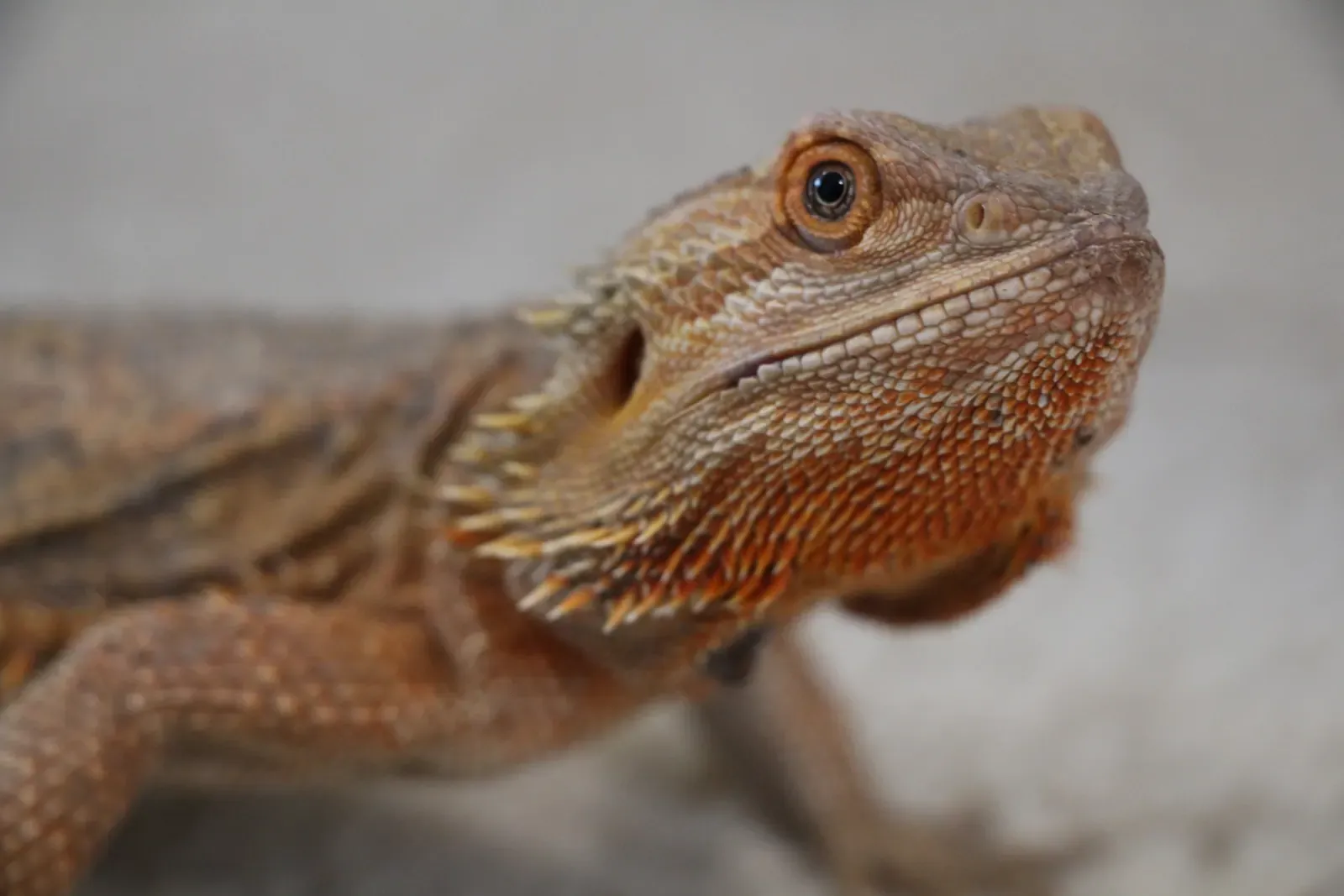
If you’re thinking about getting your first pet lizard, the Bearded Dragon is one of the species worth considering. These fascinating Australian reptiles are active during the day, have plenty of character and can become accustomed to calm, gentle handling when cared for properly.
The Central Bearded Dragon (Pogona vitticeps) is particularly popular with reptile keepers. Its interesting behaviours, distinctive appearance and manageable temperament can make it a rewarding animal to observe and care for.
However, owning a bearded dragon involves more than providing a tank and feeding it a few insects. Correct UVB lighting, heating, nutrition, calcium supplementation, hygiene and enclosure design are essential for its long-term health.
In this beginner’s guide, Shire Snake Wranglers explains what prospective owners should know before bringing home their first bearded dragon, including equipment, feeding, handling, common health problems and the legal requirements for keeping native reptiles in New South Wales.
Whether you’re researching a pet lizard for yourself or considering one for your family, understanding its needs before making a commitment is the best place to start.
What Is a Bearded Dragon?
Bearded Dragons are Australian lizards belonging to the genus Pogona. The Central Bearded Dragon is native to inland parts of Australia, where it inhabits dry, open environments and areas with suitable rocks, branches and places to bask.
Their name comes from the expandable, spiny skin beneath their throat, which can darken and become more prominent when they feel threatened or display certain behaviours.
Bearded dragons are diurnal, meaning they are active during the day. They spend time basking, exploring, climbing, foraging and observing their surroundings.
Adults commonly reach around 40–55 cm in total length, including their tail, although size varies between individuals.
With suitable care, a bearded dragon may live for 10 years or longer. Choosing one is therefore a long-term commitment rather than a short-term novelty.
Why Consider a Bearded Dragon as Your First Pet Lizard?
There are several reasons bearded dragons are popular with people entering the world of reptile keeping.
They are active during the day
Unlike many nocturnal reptiles, bearded dragons are generally active during daylight hours. This gives owners plenty of opportunities to observe their natural behaviours.
They have interesting personalities
Bearded dragons may display behaviours such as head bobbing, arm waving, digging, basking and investigating objects in their enclosure.
Their behaviour can be fascinating, but it is important not to interpret every action as affection or a desire to be handled.
They can become accustomed to gentle handling
A well-adjusted bearded dragon may tolerate calm, appropriate handling. Individual temperaments differ, and some animals are naturally more confident than others.
Handling should always prioritise the animal’s welfare.
Their care can be planned and monitored
Once the enclosure, heating, lighting and feeding routine are established, many aspects of their daily care can be monitored systematically.
However, bearded dragons have specialised environmental and nutritional requirements. They are not maintenance-free pets, and setting up a healthy enclosure properly requires research and investment.
What Equipment Do You Need?
Before purchasing your bearded dragon, prepare the enclosure and check that all equipment is working correctly.
Your essential equipment checklist should include:
- A secure enclosure with sufficient floor space for the adult animal.
- A suitable basking heat lamp and correctly installed fitting.
- A quality UVB lighting system appropriate for the enclosure.
- Temperature monitoring equipment, including digital thermometers.
- An infrared temperature gun for checking basking surfaces.
- A thermostat where appropriate for the heating equipment.
- Stable rocks, branches or other safe basking platforms.
- Hides and suitable environmental enrichment.
- Safe enclosure flooring or appropriate substrate.
- A shallow, stable water bowl.
- Food dishes and feeding equipment.
- Suitable insect and fresh vegetable storage arrangements.
- Calcium and other supplements recommended for the animal’s diet.
- Cleaning and disinfection supplies.
- Access to a veterinarian experienced in reptile medicine.
The enclosure should be ready before the animal arrives. You should be able to demonstrate that the basking area, cooler area and UVB exposure are appropriate before introducing your new pet.
Choosing the Right Enclosure
Bearded dragons need space to move, explore, bask and regulate their body temperature.
An adult requires a substantially sized enclosure, not a small aquarium that the animal will quickly outgrow. A commonly recommended adult enclosure size is approximately 120 cm long × 60 cm wide × 60 cm high, but you should check the current NSW private reptile-keeping code for the applicable minimum dimensions and requirements.
A larger enclosure can provide additional room for movement and enrichment when designed appropriately.
Provide a secure environment
Choose a sturdy enclosure with suitable ventilation and secure doors. Check that gaps, fittings and cable openings cannot allow escape.
Keep the enclosure away from direct sunlight through windows, draughts and locations where household temperatures fluctuate excessively.
Add climbing and basking opportunities
Bearded dragons benefit from stable branches, platforms and rocks that allow them to climb and bask.
All furnishings must be secure and positioned to reduce the risk of falls or injury. Basking surfaces should allow the lizard to warm itself without contacting an unprotected heat source.
Provide hiding places
Even though bearded dragons are often active and visible during the day, they still need opportunities to retreat and feel secure.
Arrange hides and furnishings so the animal can move between warmer and cooler areas without being exposed all the time.
Choose safe flooring
The substrate should be appropriate for the animal’s age, enclosure and hygiene requirements.
Loose substrates can present ingestion or impaction risks in some circumstances, particularly when husbandry is unsuitable. Avoid materials that are dusty, contaminated, sharp or otherwise inappropriate for reptiles.
For a new keeper, an easy-to-clean surface can make it easier to monitor droppings, appetite and general health.
Heating: Creating the Correct Temperature Gradient
Heating is one of the most important parts of bearded dragon care.
Like other reptiles, bearded dragons are ectothermic. They rely on their surroundings to regulate body temperature, so they need access to areas with different temperatures.
The basking area
A suitable basking site allows your bearded dragon to warm up after emerging from its cooler retreat.
Temperature recommendations vary according to the age of the animal, the type of surface being measured and the husbandry system used. A basking surface approaching 40°C is commonly recommended for Central Bearded Dragons, but confirm the precise target for your setup using reputable veterinary guidance and the applicable NSW code.
Measure the actual basking surface rather than relying on the temperature setting of a lamp.
The cooler end
The enclosure must also provide a cooler area so your dragon can move away from the heat.
Heating the entire enclosure to the same temperature prevents the animal from choosing the conditions it needs.
Use appropriate equipment
Choose heat lamps and fittings specifically suited to reptile enclosures. Protect the animal from direct contact with hot equipment and position the basking platform at a safe distance.
Use temperature monitoring equipment and appropriate control systems. Check temperatures regularly, including when the weather changes.
Never use a heat rock as a substitute for a properly designed basking area because it can cause burns.
UVB Lighting: Essential for a Healthy Bearded Dragon
UVB lighting is not an optional decorative extra. It is a critical part of bearded dragon husbandry.
Appropriate ultraviolet B exposure helps the animal produce vitamin D3, which supports calcium absorption and healthy bone development.
Inadequate UVB exposure can contribute to metabolic bone disease, a serious condition that can cause weak bones, deformities, difficulty moving and other health problems.
Choose the correct UVB system
Use a quality reptile UVB light that provides suitable output across the animal’s basking area.
The appropriate light strength, mounting distance and positioning depend on the equipment, reflector, enclosure layout and whether mesh or other material sits between the light and the lizard.
Follow the manufacturer’s instructions and reputable reptile veterinary guidance. A lamp that is too far away may provide insufficient UVB, while an incorrectly positioned high-output lamp may expose the animal to excessive radiation.
Ordinary household lighting does not replace a suitable UVB system.
Maintain a day-and-night cycle
Provide a consistent daytime lighting schedule and darkness at night.
Monitor the lamp’s service life and replace it according to the manufacturer’s recommendations. A bulb may continue producing visible light even when its UVB output has declined.
UVB lighting, suitable heating and a balanced diet work together. One cannot reliably compensate for deficiencies in the others.
What Do Bearded Dragons Eat?
Bearded Dragons are omnivores, meaning they eat both plant material and animal prey.
Their diet should include suitable leafy greens and vegetables, alongside appropriately sized feeder insects. The balance changes as they grow.
Feeding young bearded dragons
Growing juveniles generally need more insect-based food relative to plant material than adults.
Suitable feeder insects can include appropriately sized crickets, wood cockroaches and other safe, commercially supplied feeder insects.
Feed prey that is appropriate for the lizard’s size and avoid insects that are too large or unsuitable for its age.
Feeding adult bearded dragons
As bearded dragons mature, plant material should make up a larger proportion of their diet.
Suitable vegetables and leafy greens can include collard-type greens where available, rocket, endive, squash and other appropriate vegetables.
Diet variety is important. Not every vegetable is nutritionally equivalent, and some foods should only be offered occasionally.
Avoid feeding wild-caught insects, which may have been exposed to pesticides or parasites. Never feed insects collected from areas where chemical treatments may have been used.
Gut-loading feeder insects
Gut-loading means feeding nutritious food to feeder insects before offering them to your lizard.
This improves the nutritional value of the insects and is an important part of a well-managed feeding routine.
Calcium and vitamin supplements
Bearded dragons commonly require appropriate calcium supplementation, with other supplements used according to the animal’s diet, UVB setup, age and veterinary advice.
More supplementation is not automatically better. Excessive or inappropriate supplementation can also cause health problems.
Ask a reptile-experienced veterinarian for guidance on the appropriate supplement and feeding schedule for your animal.
Water and Humidity
Fresh water should be available in a suitable, stable bowl that is easy to clean.
Replace dirty water promptly and clean food and water containers regularly.
Bearded dragons are adapted to relatively dry environments, but this does not mean that humidity and hydration can be ignored.
Maintain suitable enclosure humidity and ventilation for the species. Avoid persistently damp substrate and wet, poorly ventilated conditions.
Bathing is not a substitute for correct husbandry, and not every bearded dragon needs routine baths. Any bathing or hydration practice should be appropriate for the individual animal and should never create a drowning or chilling risk.
Handling Your Bearded Dragon Safely
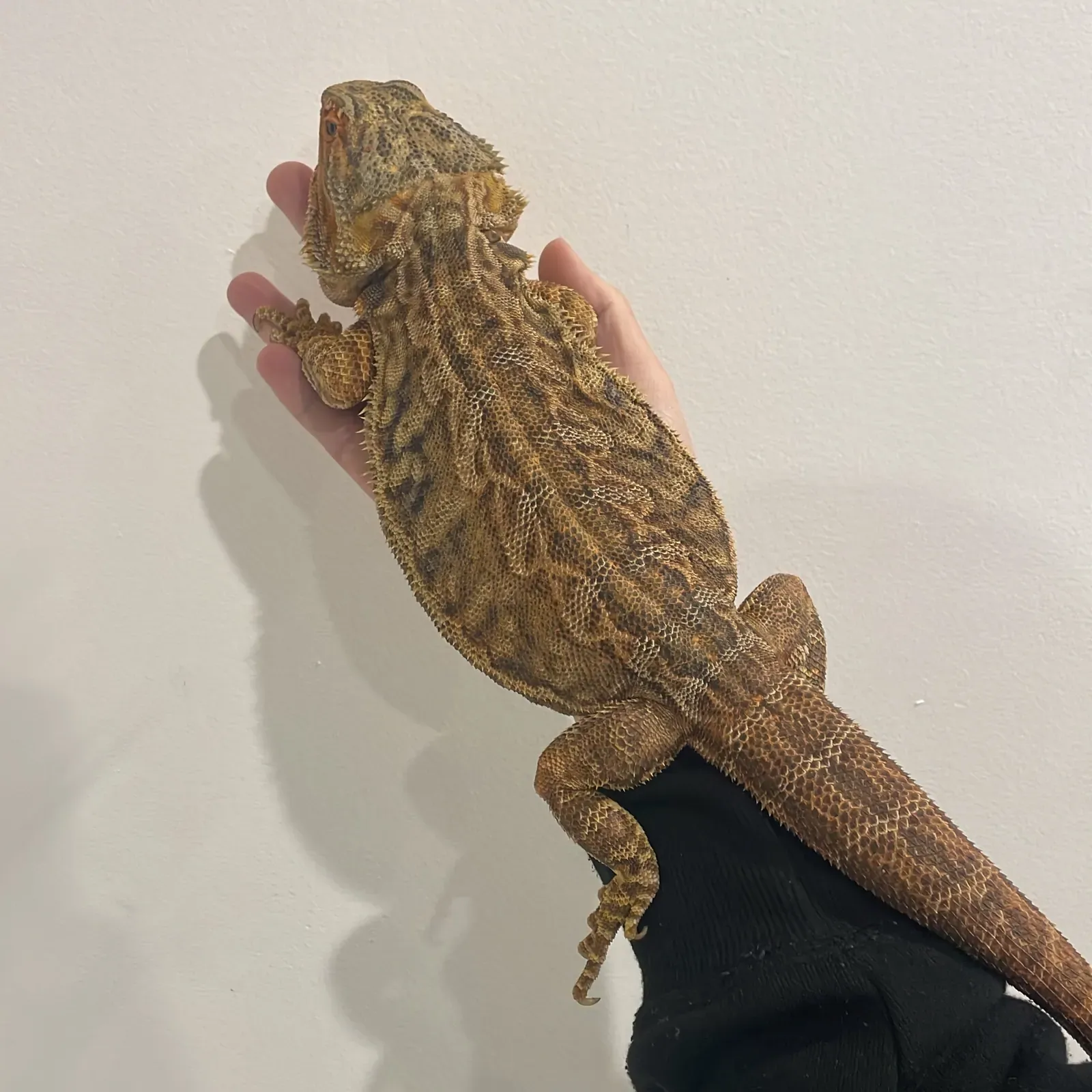
Many bearded dragons can become accustomed to gentle handling, but they still need to be treated as animals with their own preferences and limits.
Allow a newly acquired lizard time to settle into its enclosure before introducing unnecessary handling.
When handling:
- Approach calmly and avoid sudden movements.
- Support the entire body and all four limbs where possible.
- Never lift the lizard by its tail.
- Do not squeeze or restrain it unnecessarily.
- Avoid handling when it is showing significant stress.
- Keep handling sessions appropriate to the animal’s behaviour.
- Wash your hands before and after handling.
Children should always be supervised by a responsible adult. A child should never be expected to manage the animal’s care independently.
Reptiles can carry Salmonella and other organisms even when they look healthy. Keep reptiles and their equipment away from food preparation areas, wash hands thoroughly after contact and follow appropriate reptile hygiene guidance.
Can Bearded Dragons Live Together?
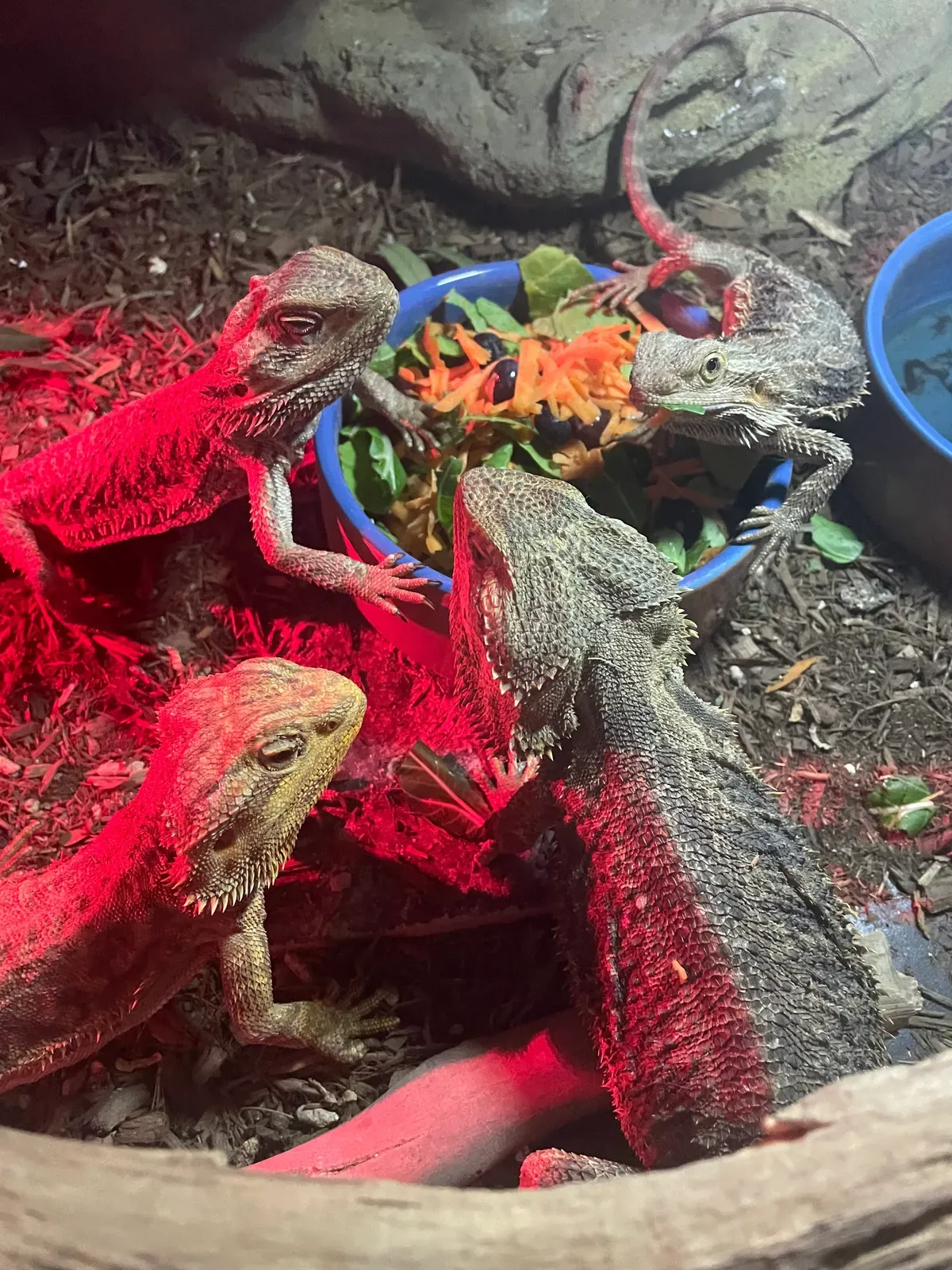
For beginner keepers, the safest general approach is to house bearded dragons individually unless you have specialist knowledge and a suitable reason to consider another arrangement.
Housing them together can lead to competition for basking areas, food and hiding places, as well as stress, injuries and reproductive complications.
An enclosure that appears large enough does not automatically make cohabitation safe.
Separate housing also makes it easier to monitor each animal’s appetite, droppings, growth and health.
Shedding and Normal Behaviour
Bearded dragons shed their skin as they grow. You may notice duller colours, loose skin or changes in behaviour during the shedding process.
Allow the skin to come away naturally. Do not pull at attached shed, particularly around the toes, tail or other sensitive areas.
Provide appropriate environmental conditions and monitor the animal after shedding.
Bearded dragons also use body language to communicate. Head bobbing, arm waving, changes in colour and puffing out the beard can occur in different situations.
Learn your animal’s normal behaviour so you can recognise changes that may indicate stress or illness.
Common Health Problems
A bearded dragon should be observed daily for changes in appetite, activity, movement, body condition and droppings.
Contact a reptile-experienced veterinarian if you notice:
- Weakness, tremors or difficulty walking.
- Swollen limbs, a soft jaw or other possible signs of metabolic bone disease.
- Persistent loss of appetite or unexplained weight loss.
- Abnormal breathing, discharge or swelling.
- Wounds, burns or damaged toes.
- Persistent abnormal shedding.
- Diarrhoea, regurgitation or unusual droppings.
- Significant changes in normal behaviour.
Many reptile health problems develop gradually, and apparent improvements in behaviour do not always mean the underlying problem has resolved.
Arrange veterinary care rather than attempting to diagnose and treat serious conditions yourself.
How Much Does It Cost to Keep a Bearded Dragon?
The purchase price is only one part of the overall cost.
Before bringing home a bearded dragon, budget for:
- The animal from a legal, reputable source.
- A suitable enclosure and secure fittings.
- Heating equipment and replacement bulbs.
- UVB lighting and replacement lamps.
- Thermometers and other monitoring equipment.
- Substrate, hides and furnishings.
- Feeder insects and fresh vegetables.
- Calcium and other appropriate supplements.
- Electricity and cleaning supplies.
- Veterinary examinations and unexpected treatment.
Costs vary according to the animal’s age, equipment quality, enclosure size and your feeding arrangements.
Obtain current prices before purchasing anything, and keep an emergency veterinary fund available.
Do not compromise on essential heating, UVB lighting or veterinary care simply to reduce the initial cost.
Keeping a Bearded Dragon Legally in NSW
Before buying a bearded dragon, confirm the applicable licensing requirements.
In New South Wales, native reptiles are protected under the Biodiversity Conservation Act 2016. You must hold the appropriate biodiversity conservation licence before keeping a native reptile as a pet.
The correct licence depends on the species and the number of animals you intend to keep. Check the NSW Native Animal Keepers’ Species List to confirm the relevant classification and licence category for the particular bearded dragon you plan to acquire.
Purchase only from a licensed pet shop or licensed animal keeper, and retain the relevant acquisition details.
Never take a wild bearded dragon home, even if you encounter a lizard in your backyard. Releasing an unwanted captive reptile into the bush or your yard is also not an appropriate solution.
Read the current NSW private reptile-keeping code and licence conditions before bringing your pet home.
Official information is available through the NSW Government reptile keeper licensing page.
Is a Bearded Dragon the Right Pet for You?
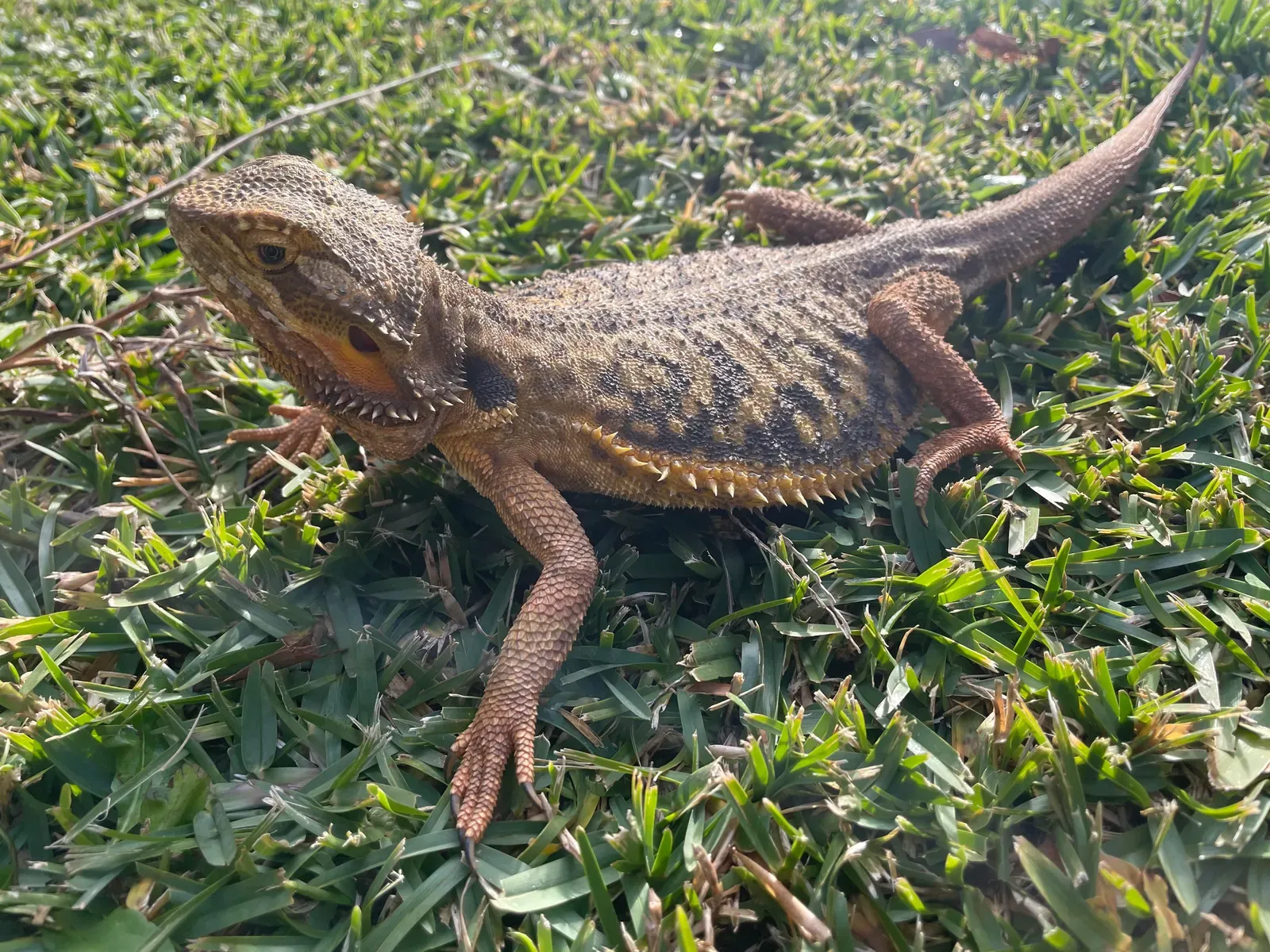
A bearded dragon can be a rewarding first pet lizard for someone who is prepared to learn about reptile husbandry and provide the correct environment.
Their daytime activity and interesting behaviours make them appealing to observe, and many can become comfortable with gentle handling.
However, they require a substantial enclosure, carefully managed heat and UVB exposure, a balanced diet, regular cleaning and access to veterinary care.
They are also a long-term commitment that may last a decade or more.
If you are prepared to invest in the right equipment and provide consistent care, a bearded dragon is certainly a species worth researching.
Final Advice from Shire Snake Wranglers
My recommendation to anyone considering a pet reptile is simple: research first and buy second.
Make sure the enclosure is ready, the lighting and heating are correctly installed, the diet is understood and the appropriate licence has been obtained.
Choose a healthy, captive-bred animal from a reputable source and establish a relationship with a reptile-experienced veterinarian.
Responsible reptile keeping is about more than owning an interesting animal. It means understanding its needs and providing the conditions required for it to live a healthy life.
For more educational information about Australian reptiles, snake safety and living alongside local wildlife, explore the resources from Shire Snake Wranglers.
About Shire Snake Wranglers: Shire Snake Wranglers provides snake-catching and relocation services across the Sutherland Shire and surrounding areas, alongside practical education to help residents understand and safely coexist with snakes and other local wildlife.