
This guide is general educational information, not veterinary advice. Check current NSW licensing rules and husbandry standards, and speak with a reptile-experienced veterinarian about your animal.
On this page
Thinking about getting your first pet snake? Keeping a snake can be a rewarding experience, especially when you choose a species that suits your experience, available space and lifestyle.
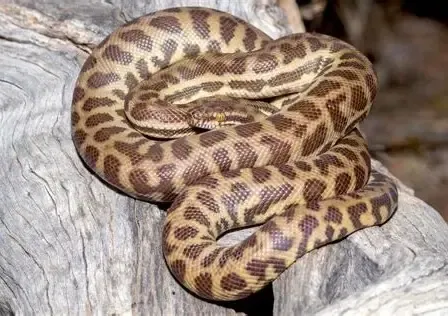
For someone starting out in reptile keeping, one species I particularly recommend researching is the Children’s Python (Antaresia childreni). It is a small Australian python that generally remains manageable in size, is non-venomous and can adapt well to appropriate captive conditions.
This is a species I started with myself, and I found its size and general care requirements made it a good introduction to keeping snakes.
In this beginner’s guide, I’ll explain what you need to know before getting your first python, including enclosure setup, heating, feeding, handling, costs, licensing and the mistakes new keepers should avoid.
Whether you’re considering a pet snake for yourself or researching reptiles for a family, the most important thing is to understand the animal’s needs before bringing one home.
Why I recommend the Children’s Python for beginners
The Children’s Python is one of Australia’s smaller python species. Despite its name, it is not a snake just for children; the name refers to the zoologist John George Children.
There are several reasons I recommend considering this species for a first pet snake.
A manageable adult size
Children’s Pythons generally grow to around 1 metre in length, although individuals can grow larger. Their relatively small adult size makes them easier to accommodate than many larger python species.
A smaller snake still needs a secure, appropriately sized enclosure, suitable heating, places to hide and regular care. Small does not mean maintenance-free.
Non-venomous
Children’s Pythons are non-venomous constrictors. They capture and subdue their natural prey rather than relying on venom.
However, any snake can bite if frightened, stressed or mistaken about food. Responsible handling and understanding the animal’s behaviour remain important.
Interesting to observe
These pythons are often most active around dusk and at night. You may see yours exploring its enclosure, investigating hides, climbing over furnishings or positioning itself in a warm area.
They can be fascinating animals to observe without needing constant handling or attention.
Suitable for a keeper willing to learn
Their size and captive-care requirements make Children’s Pythons a species worth considering for beginners. Nevertheless, every individual has its own temperament, and some young snakes can be more nervous or reluctant to feed than others.
My recommendation is to research the species thoroughly and purchase a healthy, established captive-bred animal from a reputable, licensed source.
What do you need before buying your first snake?
One of the biggest mistakes a new keeper can make is buying the snake first and trying to organise the enclosure afterwards.
Set everything up in advance and make sure you can maintain the correct conditions before your python arrives.
Your basic equipment checklist should include:
- A secure, escape-proof enclosure appropriate for the snake’s age and adult size.
- A suitable heating system and reliable thermostat.
- Digital thermometers or other suitable temperature-monitoring equipment.
- An infrared temperature gun for checking surface temperatures.
- A warm hide and a cool hide.
- Suitable substrate or enclosure flooring.
- A stable water bowl.
- Branches, furnishings and other safe enrichment.
- Appropriate feeding tongs.
- A safe, separate location for storing frozen feeder rodents.
- A cleaning and disinfection kit suitable for reptiles.
- Access to a veterinarian experienced in reptile medicine.
You should also have a plan for power outages, holidays, veterinary expenses and what will happen to the snake if your circumstances change.
Setting up the enclosure
A Children’s Python needs an enclosure that allows it to move around, explore, hide and choose the temperature it needs.
A secure, well-ventilated commercial reptile enclosure or a properly designed custom enclosure is generally preferable to an ordinary glass aquarium. Glass tanks can lose heat quickly and may overheat in direct sunlight.
The enclosure must be escape-proof. Snakes can squeeze through surprisingly small gaps, so check doors, ventilation openings, cable entry points and locks carefully.
Provide places to hide
Your snake should have a secure hide on the warm side and another on the cool side of the enclosure. This allows it to remain concealed while choosing a suitable temperature.
Include safe furnishings and climbing opportunities appropriate to the animal. Everything should be stable, easy to clean and free from sharp edges or gaps that could trap the snake.
A natural-looking enclosure is appealing, but the animal’s security, temperature control and hygiene are more important than appearance.
Choose the right size
Young snakes need an enclosure that provides security without restricting movement. As your snake grows, its enclosure will need to accommodate its increasing size and activity.
Avoid keeping a growing snake permanently in a small enclosure simply because it was suitable when the animal was young.
For NSW keepers, consult the current reptile-keeping code and applicable enclosure standards when deciding on minimum dimensions.
Choose the substrate carefully
There are different suitable flooring and substrate options. Paper can make it easy to monitor waste and maintain hygiene, while appropriate reptile substrates can create a more natural environment.
Whichever option you choose, it must be safe for the species, kept clean and managed so it does not create unsuitable damp or dusty conditions.
Heating and temperature: one of the most important parts of snake care
Snakes are ectothermic, meaning their body temperature depends on the environment around them. They cannot regulate their body temperature in the same way that mammals can.
This makes correct heating one of the most important responsibilities of a snake keeper.
The NSW Department of Education’s Children’s Python guidance describes an enclosure temperature gradient of approximately 22–36°C, with the warm basking area at one end and a cooler area at the other.
Use species-specific husbandry advice to establish the appropriate warm-side, cool-side and basking temperatures for your individual setup.
Create a temperature gradient
Your enclosure should provide a warm area and a cooler retreat rather than heating every part of the enclosure to the same temperature.
The snake must be able to move between these areas as needed.
A thermostat should control the heating equipment, and temperatures should be measured rather than estimated by touch.
Use a thermostat and monitor temperatures
A heat source without appropriate control can become dangerously hot. Choose equipment designed for reptile enclosures and use a suitable thermostat and temperature-monitoring system.
Check temperatures in several locations, including the basking surface and cooler retreat. Recheck settings when the seasons change or you modify the enclosure.
Avoid placing an enclosure in direct sunlight, where temperatures can rise unexpectedly.
What about lighting?
Establish a suitable day-and-night cycle. NSW Department of Education guidance for Children’s Pythons recommends UVB lighting as well as an appropriate heat source.
Choose suitable equipment and follow current reptile veterinary and husbandry advice for light intensity, positioning and operating hours.
What do Children’s Pythons eat?
Children’s Pythons are carnivores. In captivity, appropriately sized whole feeder rodents are commonly used to provide a balanced diet.
The food needs to be suitable for the snake’s size, age, body condition and feeding history.
Frozen-thawed food
Frozen feeder rodents are widely used by responsible keepers. They must be thawed completely and prepared safely before feeding.
Never leave an unattended live rodent with a snake. Live rodents can seriously injure a snake by biting or scratching it.
Use appropriate feeding tongs and avoid presenting food close to your hand.
How often should you feed a Children’s Python?
Feeding frequency depends on the snake’s age, growth, body condition, prey size and individual circumstances.
As a general starting point, NSW Department of Education guidance describes appropriately sized meals about weekly for juveniles and approximately fortnightly for adults. These are guidelines, not a rigid schedule for every animal.
Avoid overfeeding. Obesity can cause health problems, and a snake’s body condition should be monitored as it grows.
Keep a record of feeding dates, food offered and whether it was accepted. If a young snake repeatedly refuses food, loses weight or shows other signs of illness, seek advice from a reptile-experienced veterinarian.
What if my snake refuses a meal?
A snake may refuse food when approaching a shed, following a change in its surroundings or because of husbandry or health problems.
Do not respond by repeatedly offering food or making unnecessary changes to the enclosure.
Check temperatures, review the feeding history and minimise stress. Persistent refusal, weight loss, regurgitation or other concerning symptoms warrant veterinary advice.
Water and humidity
Fresh, clean drinking water must always be available.
Choose a stable water bowl that is appropriate for the size of the snake and easy to enter and leave. Refresh the water regularly, clean the bowl and check that substrate or waste has not contaminated it.
Humidity should suit the species and enclosure conditions. Do not assume that keeping the enclosure constantly damp is beneficial. Inappropriate humidity, poor ventilation and unsuitable temperatures can contribute to health problems.
During shedding, your snake may appear dull or have cloudy eyes. This is a normal part of the process. Check afterwards that the shed has come away completely, including around the eyes and tail tip.
If your snake repeatedly has incomplete sheds, investigate the enclosure conditions and seek professional advice rather than attempting aggressive manual removal.
How do you handle a Children’s Python safely?
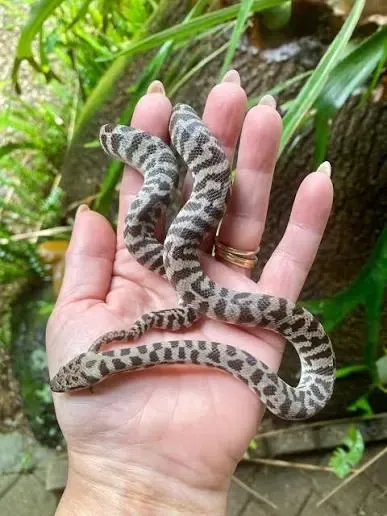
One of the most important things to understand about owning a snake is that handling should be for the keeper’s benefit only when necessary, not because the animal needs to be cuddled.
Children’s Pythons can become accustomed to appropriate, gentle handling, but individual temperaments vary.
When handling:
- Move calmly and avoid sudden movements.
- Support the snake’s body rather than gripping it tightly.
- Avoid grabbing the snake unexpectedly.
- Do not handle it when it is showing signs of significant stress.
- Avoid unnecessary handling during shedding.
- Do not handle it immediately after feeding; allow adequate time for digestion.
- Wash your hands before and after contact and avoid handling food immediately beforehand.
A snake hook may help an experienced keeper make initial contact safely, but tools do not replace training or an understanding of snake behaviour.
Never allow a snake to be passed around a group of excited children. Supervise any interaction closely and ensure the animal can be returned to its enclosure when it has had enough.
Are Children’s Pythons good pets for children?
They may be suitable in a family where the adults are committed to providing the animal’s care. However, the adult remains responsible for feeding, cleaning, temperature control, veterinary treatment and compliance with licensing requirements.
A pet snake is not a toy, and a child should never be left to manage it independently.
Cleaning and maintaining your snake’s enclosure
Good hygiene protects the snake and reduces the risk of disease.
Remove waste and soiled substrate promptly. Clean and refresh the water bowl regularly, and carry out deeper cleaning according to the enclosure type, substrate and applicable husbandry guidance.
Use a reptile-appropriate disinfectant according to its label. Remove the snake from the area during cleaning and ensure the enclosure is safe and properly prepared before returning it.
Wash your hands after handling the snake, its water bowl, substrate or waste. Keep reptile equipment separate from food preparation areas.
Maintain a simple record of feeding, shedding, cleaning, weight and any health concerns. Records make it easier to recognise changes before they become serious problems.
Common health problems to watch for
A healthy snake should be monitored regularly so you can recognise changes in behaviour or appearance.
Seek advice from a reptile-experienced veterinarian if you notice:
- Open-mouth breathing, wheezing or discharge around the nostrils.
- Repeated incomplete sheds.
- Unexplained weight loss or a persistent refusal to eat.
- Swelling, wounds, unusual lumps or difficulty moving.
- Regurgitation or a sudden, persistent change in behaviour.
- Mites or other suspected parasites.
Respiratory illness can be associated with unsuitable temperatures, humidity or other underlying problems. Do not attempt to treat a potentially serious condition by simply adjusting the heat and waiting to see what happens.
Find a suitable reptile veterinarian before you need one.
How much does it cost to keep a Children’s Python?
The purchase price is only one part of the total cost of ownership.
Your budget should account for:
- The snake from a legal, reputable source.
- The enclosure and secure fittings.
- Heating, thermostat and temperature-monitoring equipment.
- Lighting and replacement bulbs where required.
- Hides, furnishings and substrate.
- Frozen feeder rodents and storage.
- Cleaning supplies.
- Electricity.
- Veterinary examinations and unexpected treatment.
Costs vary considerably depending on the enclosure, equipment quality and individual animal. Obtain current prices before committing to a purchase, and maintain an emergency veterinary fund.
A cheap setup is not necessarily a safe setup. Reliable heating, secure housing and access to veterinary care should take priority over decorative extras.
Keeping a Children’s Python legally in NSW
This is an essential step before purchasing your first snake.
In New South Wales, native reptiles are protected under wildlife legislation. You must obtain the appropriate biodiversity conservation licence before keeping a native reptile as a pet.
For a single eligible companion-class animal, a Companion Animal Keeper Licence may be appropriate. Keeping additional animals can require a different licence.
The exact licence category depends on the species and the number of animals you intend to keep. Check that the Children’s Python is listed under the licence category you plan to apply for.
Buy only from an appropriately licensed pet shop or licensed animal keeper and retain the acquisition details.
Never take a Children’s Python from the wild, even if you find one in your backyard. Do not release an unwanted captive snake into the bush or into your yard.
Official information and applications are available through the NSW Government’s reptile keeper licensing page.
Read the current licence conditions and private reptile-keeping code before bringing your animal home.
Is a Children’s Python the right first snake for you?
In my experience, the Children’s Python is an excellent species to research when choosing a first pet snake. Its relatively small adult size, non-venomous nature and manageable captive-care requirements are important advantages.
However, the right choice depends on your circumstances. You need to be comfortable feeding whole prey, maintaining a controlled environment, cleaning the enclosure and arranging veterinary care. You also need to be prepared for a long-term commitment.
If you want an animal that requires no specialised equipment or can be left unattended for extended periods, a snake may not be the right pet.
If you are willing to learn, plan properly and put the animal’s welfare first, a Children’s Python can be a fascinating introduction to reptile keeping.
Final advice from Shire Snake Wranglers
My biggest recommendation is to do your research before buying any reptile. Get your enclosure ready, understand the heating requirements, organise a reliable food supply and make sure your licensing is in order.
Start with a healthy, established captive-bred snake from a reputable source, and find a reptile-experienced veterinarian before you need one.
Most importantly, respect the animal for what it is. Snakes are fascinating native wildlife, and responsible keeping begins with understanding their needs rather than expecting them to behave like a dog or cat.
For more information about snakes, snake safety and living alongside local wildlife, explore the educational resources from Shire Snake Wranglers.
About Shire Snake Wranglers: Shire Snake Wranglers provides snake-catching and relocation services across the Sutherland Shire and surrounding areas, alongside practical education to help residents understand and safely coexist with snakes.