
Common Tree Snake
Dendrelaphis punctulatus
Also known as the Green Tree Snake — one of Australia's most beautiful and harmless snakes. Protected by law. We can safely relocate it for you.
0428 458 856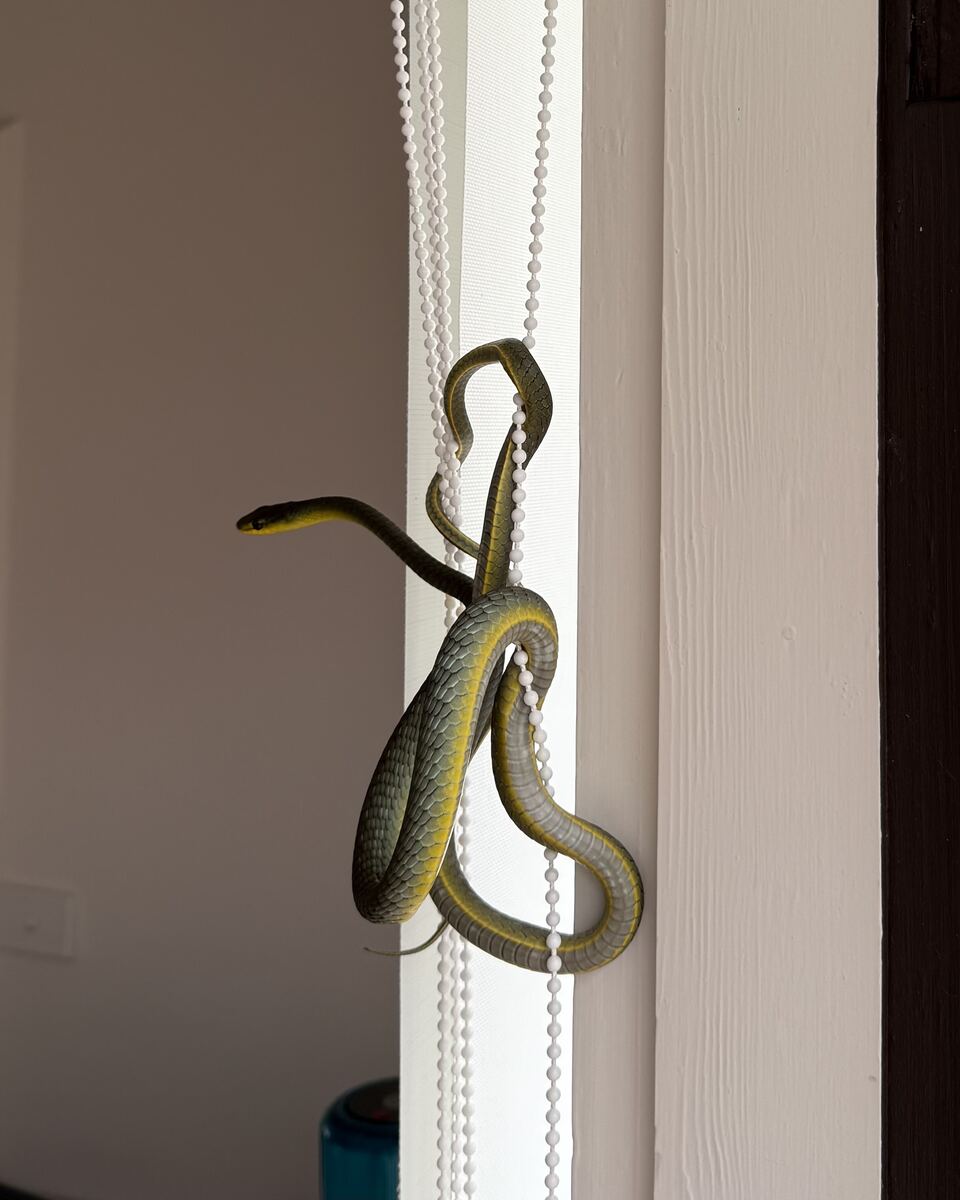
Scientific Name
Dendrelaphis punctulatus
Average Length
1 – 1.5 metres
Danger to Humans
Non-Venomous
Activity
Daytime (Diurnal)
Identification
The Common Tree Snake is extremely variable in colour, which can make identification tricky:
- Colour: Highly variable — most commonly bright green or olive, but also brown, black, blue, or combinations. The belly is typically bright yellow or cream. Blue flecks are sometimes visible between the scales when the snake inflates its body in defence.
- Size: Slender and lightweight — typically 1 to 1.5 metres.
- Build: Very slender with a long neck and a narrow, distinct head. Large, round, forward-facing eyes give excellent binocular vision.
- Eyes: Very large, round eyes — the largest relative to head size of any Australian snake. Round pupils.
- Movement: Fast and agile — an expert climber. Often seen moving through trees and shrubs in pursuit of frogs and lizards.
Habitat & Distribution in NSW
- Rainforest and tropical/subtropical forest
- Suburban gardens and parks
- Coastal heathland and scrub
- Moist woodland near water
- Common in northern NSW and coastal regions
Most common in the warmer northern and coastal areas of NSW. Found throughout the state's coast and ranges, though less common in Sydney's southern suburbs and the Southern Highlands.
Behaviour & Diet
Behaviour
- Active during the day — a diurnal species
- Expert climber — spends much time in trees and shrubs
- Fast-moving and alert — difficult to catch
- Non-aggressive — will flee rather than bite
- Inflates body to display blue skin between scales when stressed
- Egg-laying — clutches of 5–12 eggs
Diet
- Frogs (primary food)
- Small lizards and geckos
- Small fish
- Occasionally skinks
Is a Common Tree Snake Dangerous?
The Common Tree Snake is completely non-venomous and poses no danger to humans. It may bite if handled but the bite is harmless — at most causing minor scratches. However, it is still a protected species and should not be handled without a licence. If it needs to be relocated, give us a call.