
Why You Should Never Try to Kill a Snake in NSW
It's one of the most dangerous decisions you can make — and it may be illegal. Here's what the research says, and what to do instead.
Finding a snake in your backyard, garage, roof or home can be an alarming experience. Your first instinct might be to grab a shovel and deal with it before it gets any closer.
While that reaction is completely understandable, trying to kill a snake is one of the most dangerous decisions you can make. Every year across Australia, people are bitten while attempting to kill, catch or interfere with snakes — often snakes that had no intention of attacking until threatened.
The Sobering Reality
Research consistently shows that a significant proportion of serious snake bites in Australia occur when people deliberately approach, corner, attempt to catch, or try to kill a snake. The people trying to "protect" themselves often place themselves in the greatest danger.
Most Snake Bites Happen Because People Interfere
One of the biggest misconceptions about Australian snakes is that they actively chase people. In reality, snakes are defensive — not aggressive. They use venom primarily to catch food, not to attack humans. Venom is biologically expensive to produce, so snakes avoid wasting it whenever possible.
When a snake suddenly feels cornered or threatened, it has very few options:
Escape
Hide
Defensively Strike
If you remove its escape route by attacking it, you've dramatically increased your chance of being bitten. Most snakes would rather escape than fight.
It's Illegal Under NSW Law
Many people don't realise that all native snakes in New South Wales are protected wildlife. Under the Biodiversity Conservation Act 2016 (NSW), it is generally illegal to kill, harm or capture native snakes without appropriate authority.
While there are limited exceptions where a person genuinely acts in immediate self-defence, attempting to kill a snake simply because it is present on your property can potentially result in significant penalties.
Licensed snake catchers hold the appropriate authority to safely assess, capture and relocate snakes — they are the legal and safest solution.
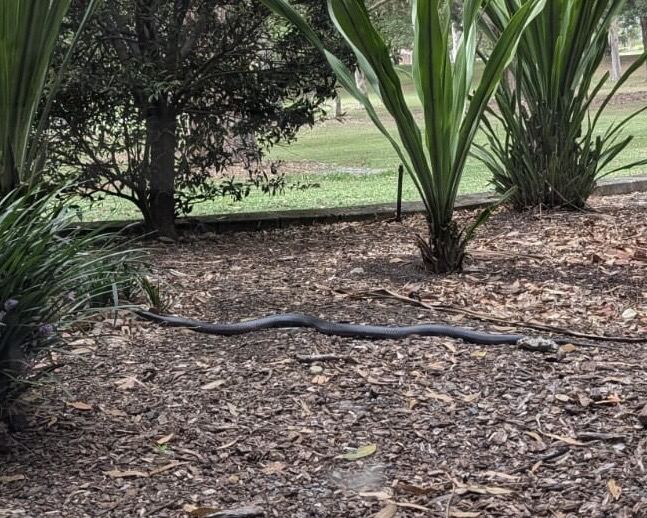
Killing a Snake Doesn't Make Your Property Safer
A common myth is that killing one snake will stop others from appearing. Unfortunately, that's simply not true. Snakes don't arrive because another snake "invited" them — they're attracted by what your property offers:
Rats & mice
Rodents are one of the biggest attractants — snakes simply follow their next meal.
Frogs & lizards
Ponds, garden beds and leaf litter attract prey species that in turn attract snakes.
Dense vegetation
Thick garden beds, ground covers and mulch provide cool hiding spots.
Timber & debris piles
Stored timber, corrugated iron and unused pots are ideal snake shelter.
Roof spaces
Warm, sheltered and often full of rodents — roofs are a common snake destination.
Water sources
Ponds, pools, birdbaths and drainage areas attract frogs and the snakes that eat them.
If these conditions remain unchanged, another snake may eventually visit — regardless of what happened to the previous one.
Snakes Strike Faster Than You Can React
Many people underestimate just how fast snakes move. A venomous snake can strike in a fraction of a second — often faster than a person can step backwards. Even experienced licensed snake catchers use specialised equipment and years of training to manage that risk safely.
Attempting to kill one with a shovel, rake or stick places you well within striking distance. And critically — even a snake that appears dead or injured can still bite. There have been numerous incidents where people were bitten while trying to move a snake they believed was no longer alive.
What About Snakes in the Roof?
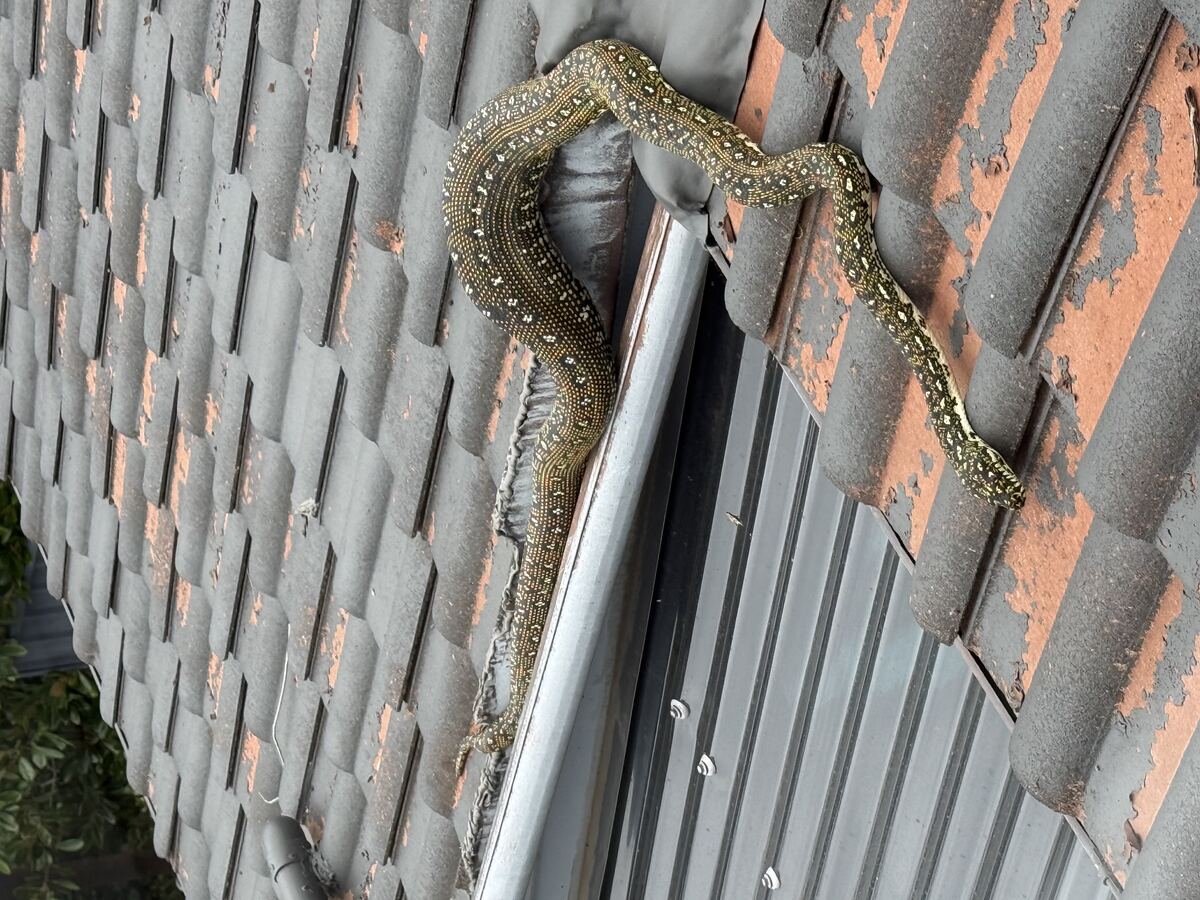
Roof spaces are one of the most common places we remove snakes from throughout NSW. Roof cavities provide warmth, shelter, protection from predators and easy access to rodents. Attempting to crawl through a confined roof space while chasing a venomous snake is extremely dangerous and should never be attempted by an unlicensed person.
What Happens If You Kill a Snake?
Besides the legal and safety risks, killing a snake creates several additional problems:
You still have to handle it
The dead snake still needs to be moved safely. Venomous snakes retain reflex movements after death — handling them unnecessarily still carries real risk.
You lose the chance for expert advice
A licensed snake catcher can identify the species, explain why it was present, and advise you on reducing future encounters. Once the snake is killed, that opportunity is gone.
You disrupt local wildlife balance
Snakes are important predators. Without them, rodent and pest populations can increase significantly, creating new problems for your home and garden.
Snakes Are Important to Our Ecosystem
Although many people fear snakes, they play a critical role in maintaining healthy ecosystems. They naturally control populations of rats, mice, frogs, lizards and small mammals. This free pest control benefits farms, homes, native bushland and public parks.
Without snakes, rodent numbers would increase dramatically — leading to greater crop damage, disease transmission and impacts on native wildlife. Snakes are an essential part of Australia's biodiversity and deserve to be treated with respect.
What Should You Do Instead?
Stay calm
Sudden movements can startle wildlife. Remain still and observe from a safe distance of at least several metres.
Keep everyone away
Bring children and pets indoors immediately. Warn neighbours if the snake is in a shared area.
Never try to catch or move it
Even non-venomous species can bite when frightened. Misidentification is extremely common — even among experienced observers.
Watch from a safe distance
If safe to do so, keep a visual on the snake so you can direct your snake catcher to its location when they arrive.
Call a licensed snake catcher
A trained catcher has the equipment, experience and legal authority to safely manage the situation.
If Someone Is Bitten — Act Immediately
Every suspected snake bite is a medical emergency, even if symptoms seem mild at first.
✓ Do These Things
- Call 000 immediately
- Keep the person calm and still
- Apply a pressure immobilisation bandage
- Immobilise the limb with a splint if possible
- Do not wash the bite site
✗ Never Do These
- Do not cut the wound
- Do not suck out venom
- Do not apply a tourniquet
- Do not give alcohol or food
- Do not try to catch the snake
Frequently Asked Questions
Is it illegal to kill a snake in NSW?
Yes. Native snakes are protected under the Biodiversity Conservation Act 2016 (NSW). Killing, harming or capturing a native snake without appropriate authority may result in significant penalties. Limited exceptions exist only where there is an immediate threat to life.
Will a snake chase me?
No. Australian snakes are defensive, not aggressive. They almost always prefer to escape rather than confront humans. Snakes use venom primarily to catch food, not to attack people.
Can I move a snake myself?
No. Unless you are appropriately licensed and experienced, attempting to catch or move a snake is extremely dangerous. Misidentification is common and even non-venomous snakes can bite when frightened.
Will another snake come back if I kill one?
Possibly. Snakes are attracted by habitat and food sources — rodents, frogs, dense gardens, timber piles and roof spaces. If these conditions remain, another snake may visit. Removing attractants is the best long-term solution.
What should I do if I find a snake on my property?
Stay calm, keep well back, bring children and pets indoors, and call a licensed snake catcher. If safe to do so, keep a visual on the snake from a distance so you can direct the catcher to it.
Are snakes beneficial to the environment?
Absolutely. Snakes naturally control rodent and pest populations. Without them, rat and mouse numbers would increase significantly, impacting farms, homes, native wildlife and public health.
Related Articles
Snake on Your Property?
Keep children and pets indoors. Don't approach it. Don't try to kill it. Call Shire Snake Wranglers for fast, professional, humane relocation anywhere across NSW.
0428 458 856Available 24/7 · Licensed NPWS Catchers · All of NSW