
Can Snakes Come Back After Relocation?
One of the most common questions after a professional removal — and the answer is more nuanced than most people expect. Here's what actually drives repeat snake sightings in NSW.
The Short Answer
Sometimes a snake can return after relocation — but in most situations, repeated sightings are more likely caused by suitable habitat attracting snakes than the exact same individual coming back.
Snake movement, relocation outcomes, habitat preferences and site attraction are more complex than most people realise. The longer answer is far more useful.
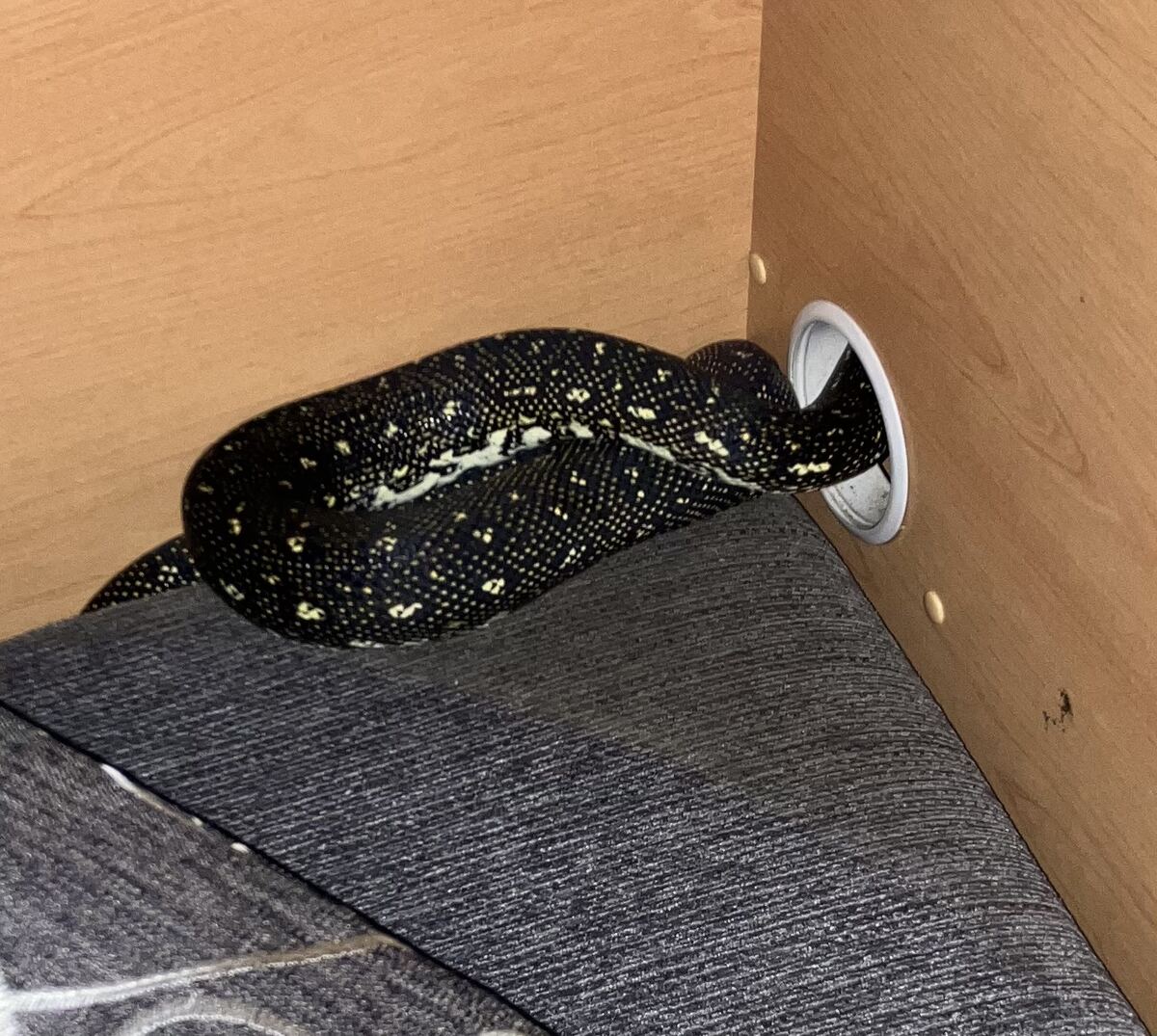
Why People Think Snakes Always Come Back
After a relocation, many people report: "We had another snake a week later," "The same species came back," "It looked exactly the same."
At first glance this sounds convincing — but snakes don't typically return because they've formed an attachment to a particular house. Instead, most repeat encounters happen because the property itself offers conditions snakes naturally seek.
If those conditions remain unchanged, another snake — or occasionally the same one — may eventually appear. That's a habitat issue, not a relocation issue.
Do Snakes Have a "Home Range"?
Many species maintain what biologists call a home range — the area an animal commonly uses to find food, seek shelter, thermoregulate, breed, and move seasonally. Research across multiple snake species has shown individuals may repeatedly use familiar areas and movement routes.
But that does not mean they navigate back to a specific backyard the way a homing pigeon might. Their movement is usually driven by habitat quality and environmental conditions, not a specific address.
If relocation places a snake into suitable habitat, it may remain there. If not, movement continues — and the snake may eventually end up somewhere familiar.
What Actually Happens During Professional Snake Relocation?
There's a common myth that catchers simply release snakes "far away in the bush." Modern relocation approaches aim to balance human safety, animal welfare, habitat suitability, legal requirements, and stress reduction.
Remove immediate conflict
The snake is no longer in direct contact with people or pets.
Reduce handling stress
Minimising unnecessary contact improves outcomes for the animal.
Release into appropriate habitat
Matching species needs where possible, not just driving further away.
Support survival outcomes
Avoiding unsuitable release conditions improves long-term success.
The objective is not punishment or permanent exile — it's conflict resolution.
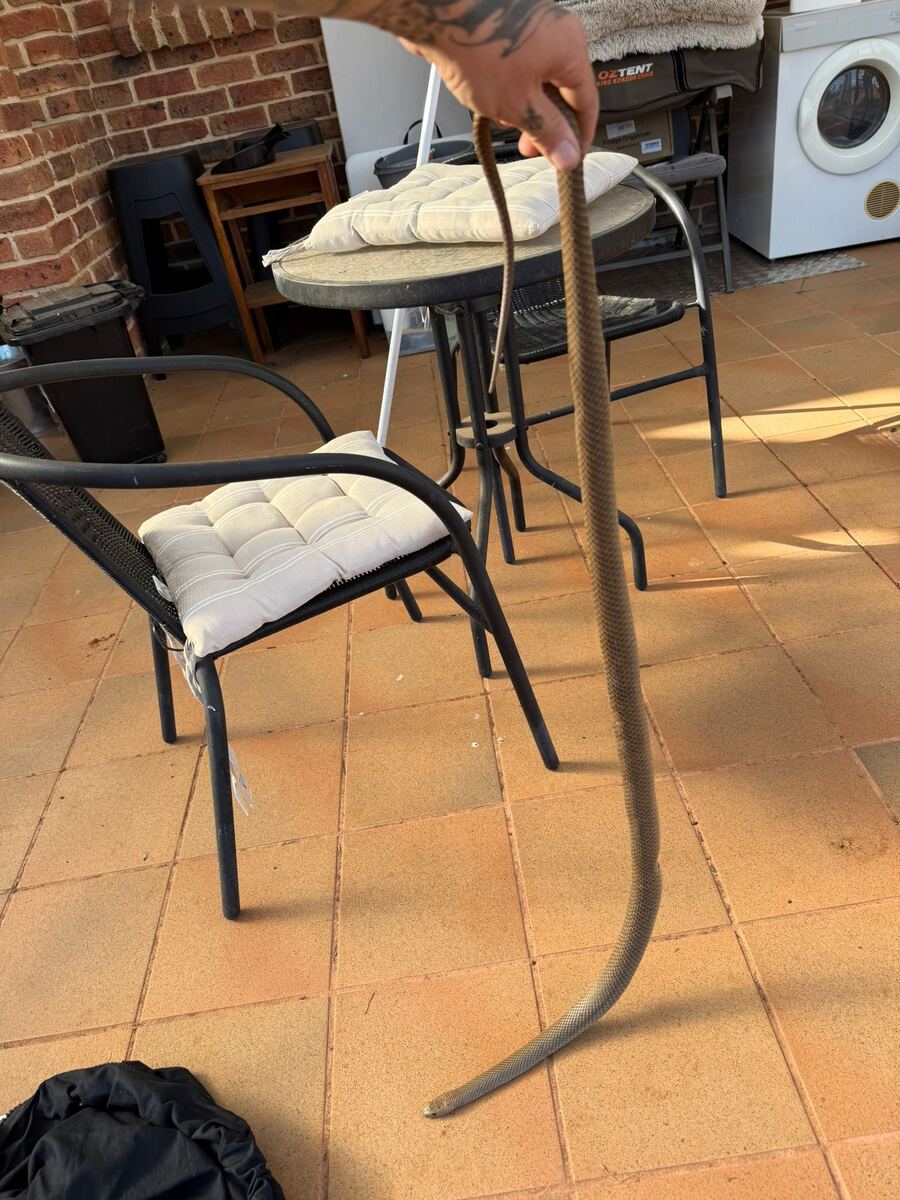
What Research Suggests About Long-Distance Relocation
Wildlife studies have raised important considerations about moving reptiles excessive distances. This can sometimes lead to increased movement, greater exposure risk, difficulty locating resources, and lower settlement success.
This has influenced modern thinking toward more thoughtful relocation practices rather than simply taking snakes "as far away as possible."
Distance alone is not the solution. Suitable habitat matters.
Why Snakes Return to Certain Properties
Snakes don't think "I liked that house." They respond to environmental opportunities. These are the most common factors that keep drawing them back:
Long grass & dense cover
Provides concealment and prey opportunities. One of the most common attractants around residential properties.
Stored materials & timber
Wood piles, sheets, old equipment and clutter create ideal shelter. Snakes don't care whether it's been there for a week or a decade.
Rodent activity
Snakes follow food. If your property has rats or mice — in the shed, the ceiling, the compost — it will attract predators. Relocation doesn't change that.
Retaining walls & rock stacks
Excellent refuge habitat. A single retaining wall can shelter snakes at multiple points simultaneously.
Dense garden beds
Ground-level planting provides cover from predators and temperature regulation. A beautifully landscaped garden can also be ideal snake habitat.
Water & movement corridors
Pools, irrigation and nearby creeks attract prey species. Fence lines, gardens and drainage channels provide safe travel routes between areas.
Does Relocation Always Work?
If success means…
- Immediate removal of conflict — Yes
- Snake no longer in contact with people — Yes
- Licensed, humane process — Yes
- Animal safely relocated — Yes
If success means…
- Guaranteeing no future snake sightings — No
- Permanently changing property habitat — No
- Controlling what other snakes do — No
No ethical wildlife service can promise a property will never see another snake. That would require changing environmental conditions beyond the scope of a single relocation.
How to Reduce the Chances of Seeing Another Snake
This is the part homeowners control. Relocation removes the immediate risk — habitat management reduces future encounters.
1. Reduce shelter
- Remove excess debris and clutter
- Break down timber piles
- Store materials off the ground
- Clear unused equipment and pots
2. Control rodents
- Secure accessible rubbish bins
- Remove outdoor pet food
- Manage bird seed accumulation
- Address any known rodent activity
3. Maintain landscaping
- Trim long grass regularly
- Cut back overgrown edges
- Thin dense ground cover
- Keep pathways clear
4. Improve access control
- Check gaps under sheds
- Review open drainage points
- Assess fence openings
- Seal obvious entry points
Common Myths About Snake Relocation
Myth: Snakes always return after relocation
Truth: Many do not. Repeat sightings are more often caused by habitat quality attracting different snakes than the same individual coming back.
Myth: Snakes hold grudges or form attachments to houses
Truth: Snake behaviour is entirely survival-driven — shelter, food, temperature. There's no emotional connection to a specific address.
Myth: Relocating further away is always better
Truth: Not automatically. Research suggests habitat quality at the release site matters more than the distance moved. Excessive distances can increase stress and reduce settlement success.
Myth: Killing one snake solves the problem
Truth: If the habitat remains attractive, another snake may eventually appear. The same conditions that drew the first snake still exist.
Myth: Seeing another snake means the catcher failed
Truth: Snake catchers remove the immediate conflict. They cannot control what environmental conditions remain on the property after they leave.
Frequently Asked Questions
QCan the exact same snake come back after relocation?
It's possible in some circumstances, but repeat sightings are usually impossible to confirm as the same individual. Most repeat encounters are caused by habitat attracting different snakes, not the original one returning.
QHow long after relocation might another snake appear?
It varies. Days, weeks or months depending on habitat conditions, season and local snake activity. There's no predictable timeline.
QDoes relocating further away guarantee it won't return?
No. Distance alone is not the solution. Habitat quality at the release site matters more than the distance moved. A snake released far into unsuitable habitat may continue travelling, while one released into appropriate nearby habitat may settle successfully.
QWhy do snakes keep coming back to my property?
Most repeat encounters are caused by the property offering shelter, food sources, water, or movement corridors that snakes naturally seek. Addressing those conditions — not just removing individual snakes — is the most effective long-term strategy.
QDoes snake relocation actually work?
Yes, for its intended purpose — removing immediate conflict. No ethical wildlife service can promise a property will never see another snake, as that depends on environmental conditions beyond the relocation itself.
Final Thoughts
So — can snakes come back after relocation? Yes, sometimes. But repeated sightings are usually not because a snake is trying to return home.
More often, the property itself provides exactly what snakes naturally seek: shelter, food, water, and safe movement.
Professional relocation reduces immediate risk. Long-term reduction comes from understanding why the snake was there in the first place.
The most useful question isn't "Will this snake come back?" It's "What made my property attractive to snakes in the first place?"
Related Articles
Need professional snake relocation in NSW?
Shire Snake Wranglers provides humane snake relocation and practical advice to help reduce future encounters around homes and businesses across New South Wales.
0428 458 856Available 24/7 · Licensed NPWS Catchers · NSW-wide