
What Should You Do If You Find a Snake in Your Backyard?
Finding a snake in your NSW backyard can be alarming. Most snakes are simply passing through — here's exactly what to do, and what not to do.
Finding a snake in your backyard can be alarming, especially in New South Wales where venomous species like the Eastern Brown Snake and Red-Bellied Black Snake are commonly encountered. The good news is that most snakes are not aggressive and would rather escape than confront people.
At Shire Snake Wranglers, we regularly help homeowners across Sydney, the South Coast, Wollongong, the Central Coast, Newcastle, and regional NSW safely remove snakes from homes and properties. This guide explains exactly what to do if you discover a snake in your yard, how to keep your family and pets safe, and how to reduce the chances of future encounters.
Why Are Snakes Found in Backyards?
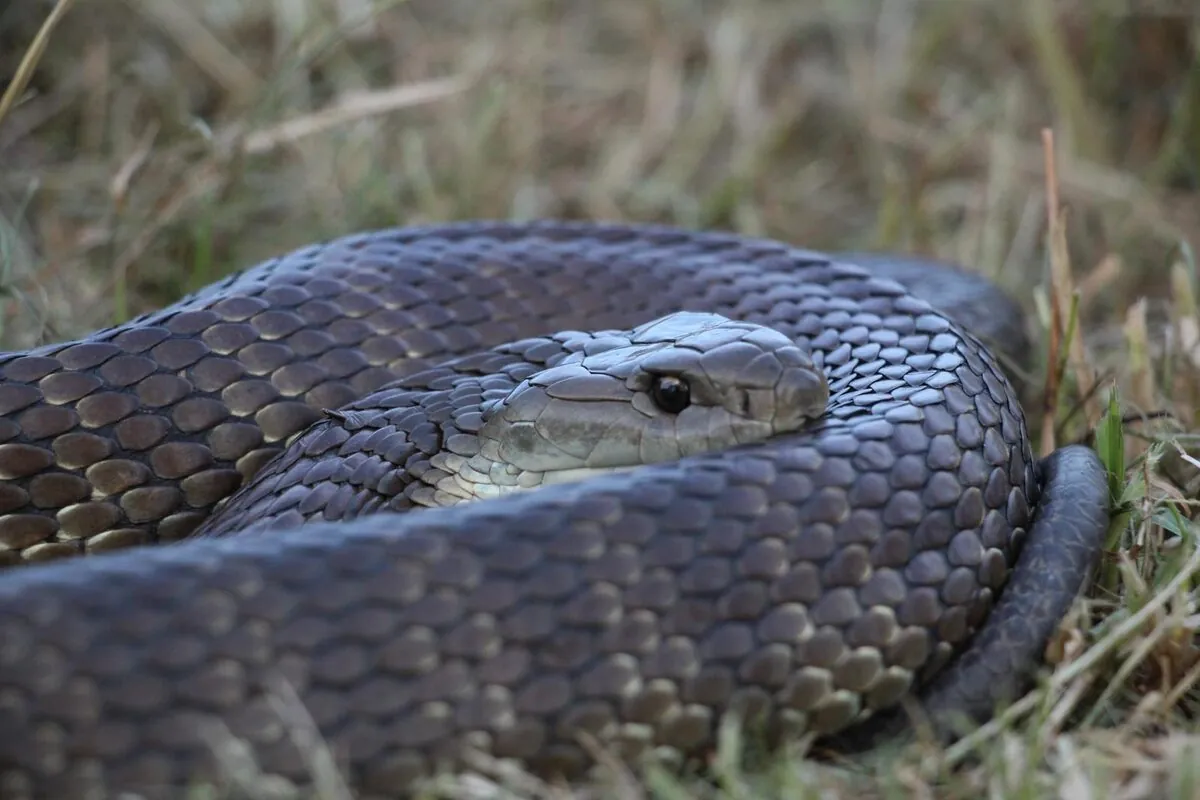
Snakes enter residential properties for a few common reasons. NSW councils and wildlife organisations note that snakes are especially active during warmer months and are commonly attracted to overgrown gardens, rodent activity, and cluttered yards.
Many people are surprised to learn that snakes are extremely common in suburban NSW. Even properties well away from bushland can experience snake sightings, especially during spring and summer.
First Thing to Do: Stay Calm
Do not approach the snake.
Most snake bites in Australia happen when people try to catch, kill, or interfere with the animal. The Australian Museum and NSW councils both warn that snakes usually bite only as a last resort when threatened.
Instead:
- 1Stop moving toward the snake immediately
- 2Slowly back away and keep visual contact from a safe distance
- 3Prevent children and pets from going near it
- 4Call a licensed snake catcher on 0428 458 856
Sudden movements, attempts to poke the snake, or trying to trap it yourself can quickly escalate the risk of a bite.
Should You Try to Remove the Snake Yourself?
No.
In NSW, all native snakes are protected wildlife, and handling them without the correct licensing can be dangerous and illegal. Even experienced people are bitten every year attempting DIY snake removals.
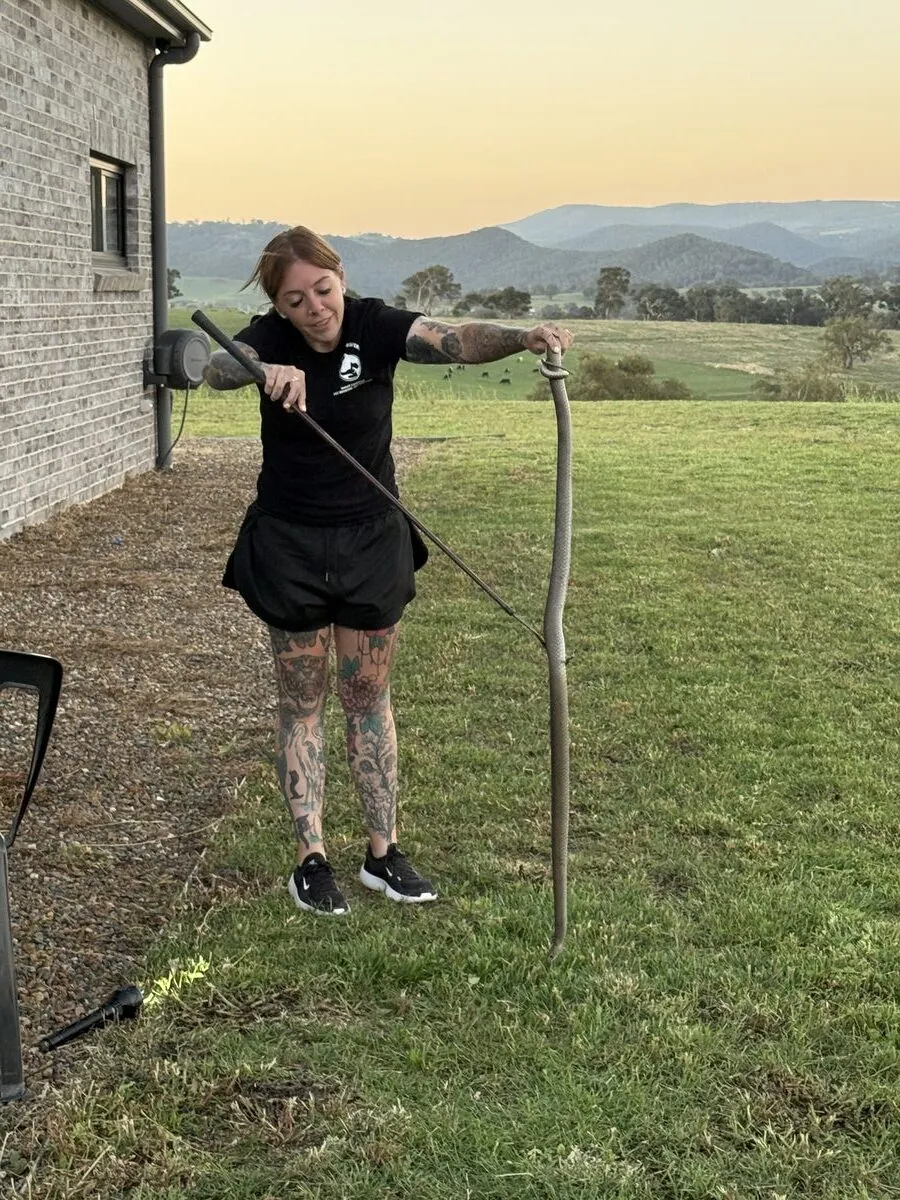
A professional snake catcher has:
- Snake handling equipment and specialised tools
- Species identification experience
- Safe relocation procedures
- Training in venomous snake behaviour
- Knowledge of local wildlife laws and licensing
What If the Snake Is Inside Your House?
If a snake enters your home, isolating it in one room is the priority — but only if it can be done safely without approaching it.
- 1Move everyone, including pets, away from the area
- 2Close the internal door to the room if possible
- 3Place towels along the gap under the door
- 4Do not attempt to trap or corner the snake
- 5Call a licensed snake catcher immediately
Common Backyard Snakes in NSW
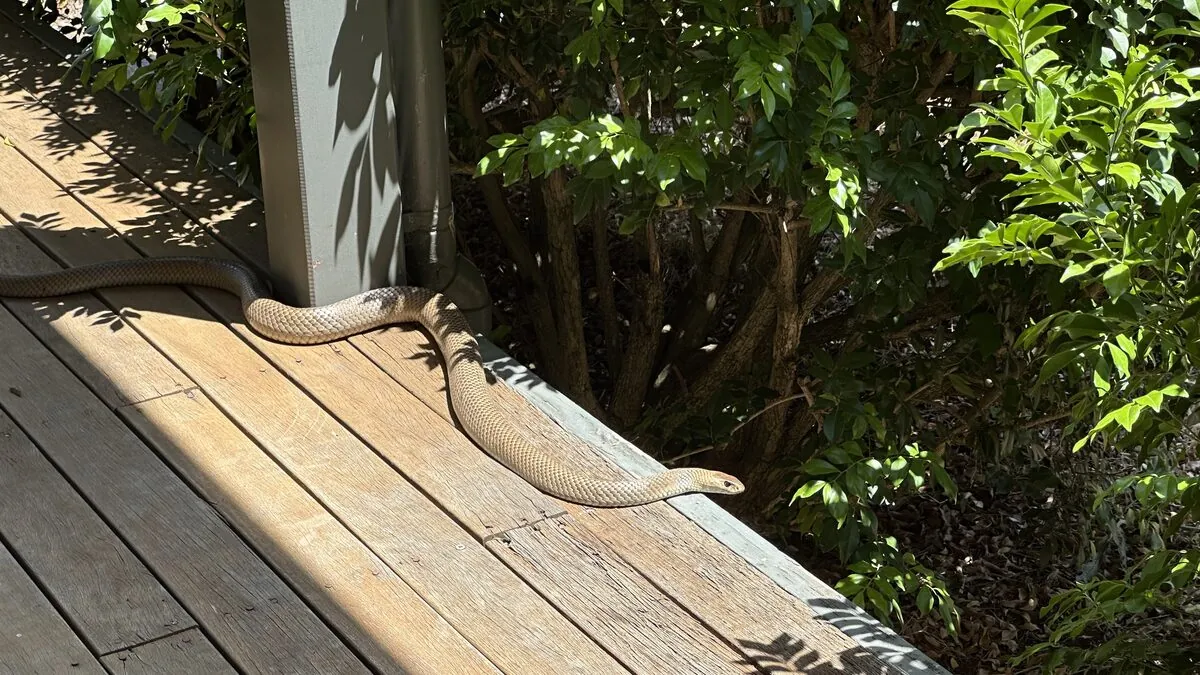
Correct identification matters because many harmless species are mistaken for dangerous ones and vice versa. Here are the most frequently encountered snakes in NSW:
Eastern Brown Snake
Highly VenomousOne of Australia's most venomous snakes. Often found around dry paddocks, suburban edges, sheds, and rodent-heavy areas. Responsible for the majority of snake bite fatalities in Australia.
Red-Bellied Black Snake
VenomousUsually found near water, creeks, drains, ponds, and wet gardens. Generally shy but still venomous. Distinguished by its glossy black back and red or pink belly scales.
Diamond Python
Non-VenomousNon-venomous and commonly found around Sydney bushland areas. Often enters roofs and gardens searching for rodents. A beautiful and beneficial species.
Green Tree Snake
Non-VenomousNon-venomous and commonly found in coastal regions. Slender and fast-moving, often mistaken for a dangerous species due to its bright colouring.
Yellow-Faced Whip Snake
Mildly VenomousFast-moving and commonly encountered in warmer areas of NSW. Mildly venomous but rarely a serious threat to adults. Extremely quick and difficult to catch.
Snake in Your Backyard Right Now?
Call us for a fast, safe removal anywhere across NSW — 24 hours a day.
0428 458 856How to Keep Snakes Away From Your Backyard
No property can be guaranteed "snake-proof," but you can dramatically reduce the chances of attracting them.
What About Snake Repellents?
"There is very little scientific evidence supporting ultrasonic devices, chemical snake repellents, or 'snake deterrent' products sold online."
Your best defence is yard maintenance, reducing rodent activity, removing shelter, and professional advice — not commercial repellent products.
- Ultrasonic repellent devices — no evidence of effectiveness
- Chemical deterrent sprays — not proven to deter snakes
- Mothballs — toxic to pets and wildlife, ineffective for snakes
What If Someone Gets Bitten?
Treat every snake bite as a medical emergency.
Call Triple Zero (000) immediately.
Australian health authorities recommend:
- Keep the person still — movement spreads venom faster
- Apply a pressure immobilisation bandage
- Do not wash the bite site — venom residue helps identify the species
- Do not cut the wound or attempt to suck out venom
- Do not try to catch or kill the snake
NSW emergency guidelines specifically advise leaving pressure bandages in place until medical professionals assess the patient.
Why Professional Snake Removal Matters
Snake catchers do more than simply remove snakes. An experienced catcher can identify why snakes are entering your property, locate hidden snakes, assess risks to pets and children, provide prevention advice, and safely relocate the animal to appropriate habitat.
Frequently Asked Questions
What should I do if I find a snake in my backyard?
Stay calm and do not approach the snake. Move children and pets away, keep the snake in view from a safe distance, and call a licensed snake catcher on 0428 458 856. Most snakes are simply passing through and will move on if left alone.
Is it illegal to kill a snake in NSW?
Yes. All native snakes in NSW are protected wildlife under the Biodiversity Conservation Act 2016. It is illegal to kill, harm, or handle a snake without the appropriate NPWS licence. Penalties can apply.
What snakes are commonly found in NSW backyards?
The most common species encountered in NSW backyards include the Eastern Brown Snake, Red-Bellied Black Snake, Diamond Python, Green Tree Snake, and Yellow-Faced Whip Snake. Correct identification is important as many harmless species are mistaken for dangerous ones.
How do I stop snakes from coming into my backyard?
Keep grass short, remove timber piles and garden clutter, control rodent activity, secure aviaries and chicken pens, and block gaps under sheds and decking. No yard can be fully snake-proofed, but these steps significantly reduce the chances of attracting snakes.
What should I do if someone is bitten by a snake?
Call Triple Zero (000) immediately. Keep the person still, apply a pressure immobilisation bandage, do not wash the bite site, and do not attempt to catch the snake. Treat every bite as a medical emergency regardless of the species.
Related Articles
Final Thoughts
Snakes are a natural part of the NSW environment. They play an important role in controlling rodent populations and keeping ecosystems healthy. With the right response — stay calm, keep distance, call a professional — most backyard snake encounters can be resolved safely and without harm to anyone.
If you find a snake on your property, the safest approach is simple: keep your distance, secure people and pets, monitor the location if safe — and contact a licensed professional.
Need a licensed snake catcher in NSW?
Fast response · Safe, humane relocation · Metro and regional NSW
0428 458 856Available 24/7 across NSW