
What NOT to Do When You See a Snake in NSW
Have you spotted a snake in your backyard, garage, garden, or around your home? Your first reaction can make all the difference. Every year, people across New South Wales are bitten because they panic, attempt to move the snake themselves, or try to kill it.
At Shire Snake Wranglers, we attend thousands of snake relocations across Sydney, the Illawarra, South Coast, Central Coast, Hunter Region, and regional NSW. One thing we see repeatedly is that most dangerous encounters start with a poor decision. Here are the most important things NOT to do.
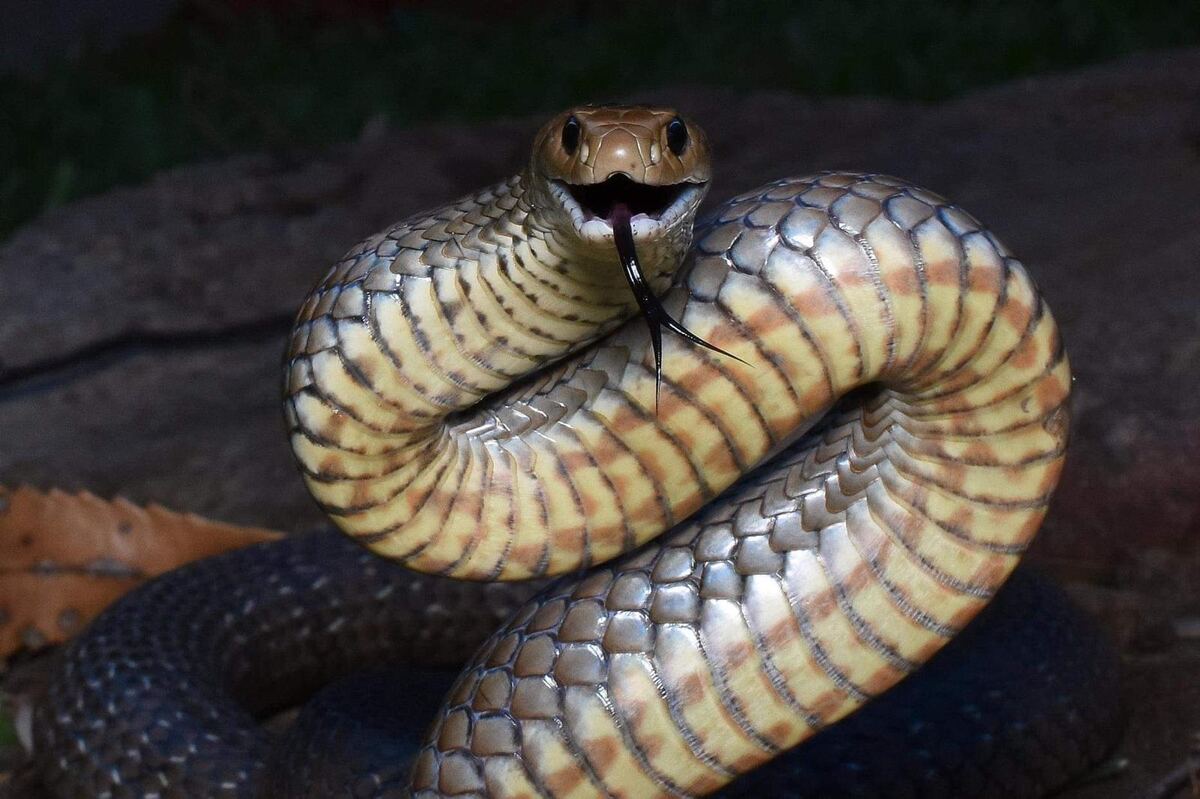
Do NOT Try to Catch the Snake Yourself
This is by far the most common mistake. Many people believe they can safely move a snake using a broom, shovel, rake, bin, or other household item. Unfortunately, this often ends badly. Snakes can strike much faster than most people realise, and even experienced handlers use specialised equipment and training. Wildlife authorities consistently report that most snake bites occur when someone tries to capture, move, or kill the animal.
- Snakes can strike unexpectedly — even when motionless
- You may misidentify the species
- Venomous snakes often remain still before defending themselves
- Improvised equipment provides little protection
- A bite can become a life-threatening emergency
Do NOT Attempt to Kill the Snake
Many people assume killing the snake will solve the problem. In reality, attempting to kill a snake dramatically increases your risk of being bitten. When threatened, a snake's natural response is to defend itself — a cornered snake is far more dangerous than one that is simply passing through your property.
- Most snakes are protected native wildlife under NSW law
- Snakes control rodent populations — they're beneficial
- Killing a snake can be illegal without the appropriate permits
- Dead snakes can still bite through reflex actions immediately after death
Do NOT Get Closer for a Better Photo
Many people want a photograph to identify the species or share on social media. However, moving closer significantly increases the risk of an incident. A zoom lens is much safer than physically approaching the animal.
- Stay well back — use your phone's zoom
- Never attempt a selfie with a snake
- Do not lean over the snake for a better angle
- No photo is worth a trip to hospital
Do NOT Corner the Snake
Snakes generally want to avoid conflict with humans. Most species will move away if given the opportunity. A common mistake is blocking the snake's path — standing directly in front of it, trapping it against a fence, surrounding it with multiple people, or herding it into a corner. When a snake feels trapped, it becomes far more likely to defend itself.
- Always allow the snake an escape route
- Back away slowly — avoid sudden movements
- Keep bystanders away from the area
- The snake will move on when it feels safe to do so
Do NOT Let Children or Pets Near the Snake
Children are naturally curious. Dogs often see snakes as something to chase. Cats frequently investigate moving wildlife. Unfortunately, these reactions can quickly become dangerous. Many emergency snake relocations involve pets that have attempted to attack a snake.
- Bring children indoors immediately
- Secure dogs and cats inside
- Keep everyone well away from the area
- Continue monitoring the snake from a safe distance
Do NOT Assume You Know What Species It Is
One of the most dangerous mistakes is assuming a snake is harmless. Australia is home to some of the world's most venomous snakes, and several species can appear surprisingly similar. Even experienced reptile enthusiasts can misidentify snakes from a brief sighting. Treat all unidentified snakes as potentially venomous.
- Juvenile snakes can look very different from adults
- Colour variations occur naturally within species
- Lighting and stress can alter a snake's appearance
- If in doubt, keep your distance — always
Do NOT Try Social Media 'Snake Hacks'
Social media is full of dangerous snake advice. We've seen videos showing people picking snakes up by the tail, using garden tools to move them, spraying snakes with chemicals, or attempting homemade trapping methods. These techniques are often unsafe, ineffective, and potentially illegal. Professional snake catchers use specialised equipment, permits, training, and experience.
- Picking up by the tail does not prevent a bite
- Chemicals stress the animal and make it unpredictable
- Homemade traps are dangerous and often illegal
- Leave snake handling to licensed professionals only
8. Do NOT Ignore a Snake Bite
If a snake bite occurs, treat it as a medical emergency immediately.
Do NOT:
- Run or panic
- Wash the bite site
- Cut the wound
- Attempt to suck out venom
- Apply a tourniquet
- Try to catch the snake
DO:
- 1Call Triple Zero (000) immediately
- 2Keep the person still and calm
- 3Apply a pressure immobilisation bandage
- 4Mark the bandage with the time applied
- 5Wait for emergency medical assistance
What SHOULD You Do Instead?
Stay Calm
Most snakes do not want to interact with people. A calm, quiet response is always safer.
Keep Your Distance
Stay several metres away and avoid sudden movements. Do not attempt to identify the species up close.
Keep Others Away
Move children and pets indoors immediately. Keep bystanders at a safe distance.
Call a Licensed Snake Catcher
A professional can safely identify, capture, and relocate the snake using the right equipment.
Frequently Asked Questions
Will a snake chase me?
No. Snakes do not actively hunt humans. Most snakes will attempt to escape if given the opportunity.
Should I spray a snake with a hose?
No. This can stress the animal and create unpredictable behaviour.
Can I move a snake with a broom?
No. Many bites occur when people attempt to move snakes using household tools.
Are all snakes in NSW venomous?
No — but unless you are a trained expert, treat every unknown snake as potentially dangerous.
What should I do if I find a snake in my backyard?
Stay calm, keep children and pets away, maintain a safe distance, and call a licensed snake catcher. Most snakes will move on if left undisturbed.
Why should I not try to kill a snake?
Attempting to kill a snake significantly increases your risk of being bitten. Most native snakes are also protected under NSW law.
Related Articles
Need a licensed snake catcher in NSW?
Fast response · Safe, humane relocation · Metro and regional NSW
0428 458 856Available 24/7 across NSW